Leaks & burst pipes
Stop-Leak Products: When They Help and When They Hurt
Published
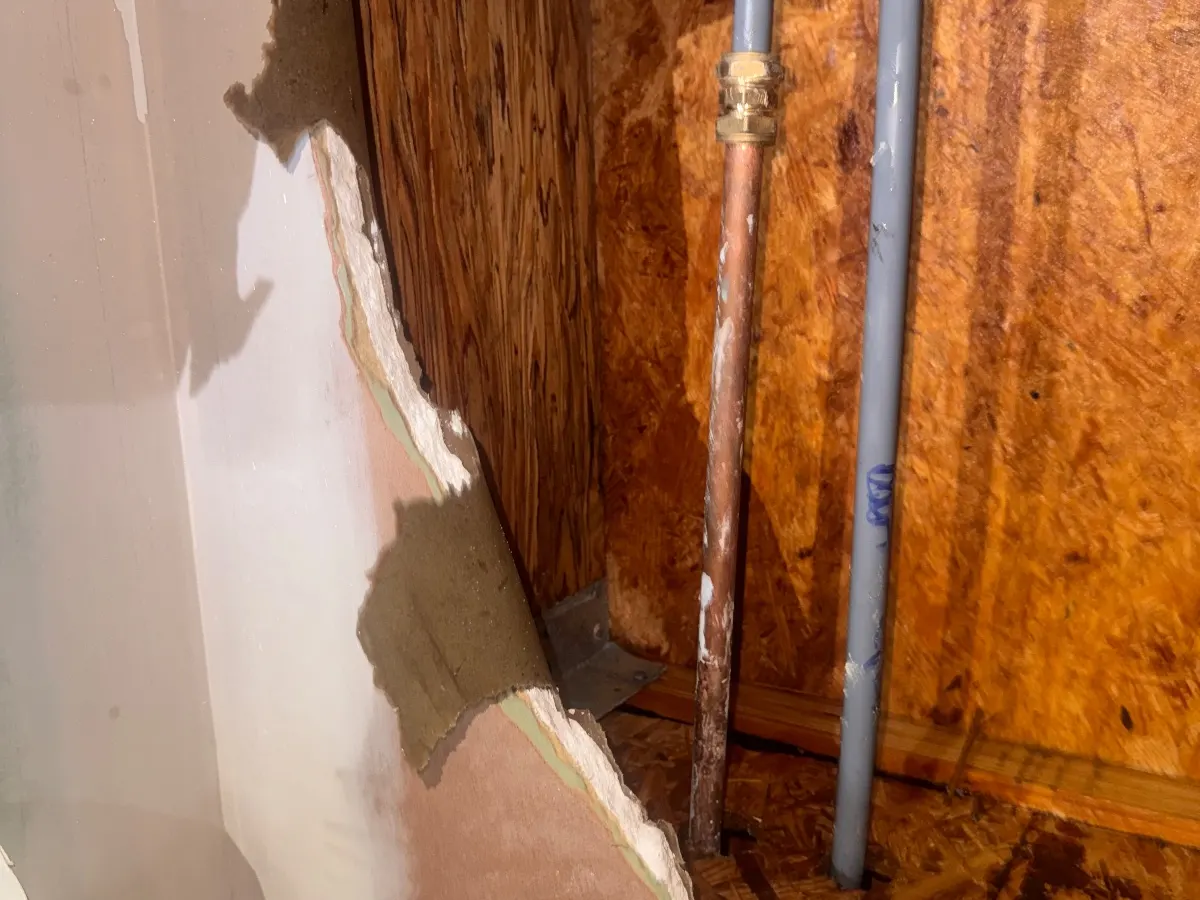
Stop-leak products work when they are matched to the leak: a liquid sealer for a slow hidden weep in central heating, repair tape or epoxy putty for a pinhole on an exposed pipe until it is repaired, and a clamp for a small split. They do harm when used on the wrong system, on a failed joint, or as a permanent fix.
Which system is leaking? That decides everything
The phrase “stop leak” covers products made for very different jobs, and the most common mistake is using one designed for a different system. Before you buy anything, work out which of three kinds of pipe is leaking.
- Central heating: the closed circuit of boiler, radiators and pipes. The water is dirty grey or black, often with inhibitor in it, and never comes out of a tap. A leak here usually shows as falling boiler pressure
- Drinking water: the cold mains and hot supply that feed your taps. The water is clear and a leak runs constantly: close the stopcock, and if you have a loft tank, also shut the valve on its outlet or the cylinder’s cold feed
- Waste: the plastic pipes that carry water away from sinks, baths and toilets. They are not under pressure and only leak when something drains through them
Anything that goes inside a drinking water pipe, or seals it from the outside where it could touch the water, has to be safe for that use. The Water Supply (Water Fittings) Regulations 1999 ban any material likely to contaminate water supplied for domestic purposes. Heating products are not made for that.
Liquid sealers for central heating
Liquid sealers such as Fernox Leak Sealer F4 are added to the heating water and form a plug where water escapes to air. They suit one case: a slow loss of pressure with no visible leak, where the weep is under a floor or in a wall. They will not fix a dripping valve, a failed joint, a split pipe or a leak inside the boiler, and it is worth checking your boiler warranty terms before you add anything to the system water. We cover dosing and the risks in detail in central heating leak sealer.
Car radiator stop-leak products such as K-Seal or Holts Radweld are a different thing. They are made for engine cooling systems with antifreeze, not for the narrow waterways of a modern combi boiler’s plate heat exchanger. Do not put a car product into a home heating system. If an engineer later finds one in there, expect a power flush and possibly new parts before anything else can be repaired.
Tapes, putties and clamps for a leak you can see
For a leak you can see on an exposed pipe, the choice is between an outside wrap and a mechanical clamp. None of them is a permanent repair, but each will buy time if you pick the right one. Our guide to temporary fixes for a leaking pipe goes through fitting each one.
- Self-amalgamating silicone tape: stretched tightly round a dry pipe, it fuses into a solid rubber sleeve. Good on a pinhole or a weeping solder joint on copper; poor on a joint with a nut, because it cannot seal the moving parts
- Epoxy putty: two parts kneaded together and pressed over a pinhole on a drained, clean pipe. It sets hard. On a pipe that carries drinking water, only use a putty the maker says is suitable for potable water
- Pipe repair clamp: a steel band with a rubber pad, bolted over a small split. The strongest of the three on a pressurised pipe, as long as the pipe is the right size for the clamp
- Rubber repair couplings with jubilee clips: a quick sleeve for a small split on straight pipe. Fine for a night on a cold feed, but not for a hot pipe or anywhere it cannot be checked
When a stop-leak product makes things worse
The real cost of a stop-leak product is usually paid later. These are the cases where it does more harm than good.
- On a compression fitting or valve: the leak is a worn olive or a gland that needs repacking. Tape and sealers smear over the fitting and make it harder to take apart and repair
- On a split from frost: a split shows the pipe has been stretched along a length, not just at one point. Seal one spot and the pipe can give way further along
- On a flexible tap connector: once the braided hose on a tap connector starts to weep, it is close to bursting. It needs replacing, not wrapping
- On a hidden leak that is wetting a ceiling or floor: the sealer may close the hole, but timber and plaster can stay wet and rot for months. Find the leak
- On a boiler leak: anything inside the boiler casing is for an engineer. Gas work is carried out by Gas Safe registered engineers
- As a fix that stays: a wrapped pipe that stops dripping gets forgotten. Tapes and putties age, especially on hot pipes, and fail without warning
Sprays, sealants and waste pipes
Rubber spray coatings and silicone sealants are sold as leak stoppers, and they have a place on gutters, roof edges and the joints of waste pipes. On a waste pipe that drips only when the sink empties, the fix is usually simpler still: tighten the plastic compression nut by hand, or replace the rubber washer inside it. A bead of silicone round a push-fit waste joint tends to peel off within weeks, and it makes the joint harder to remake properly.
None of these belongs on a pressurised water pipe. A spray coating cannot hold against mains pressure, and silicone does not bond to wet copper.
What an engineer does instead
On a visible leak, the permanent repair is often small. A leaking compression joint gets a new olive and nut. A pinhole or split in copper gets the damaged section cut out and a new length joined in with slip couplings or soldered fittings. A weeping flexible connector or isolating valve is swapped for a new one. Most of these take less time than waiting for a putty to cure.
On heating, the engineer first rules out the pressure relief valve and expansion vessel, which cause many “leaks” that are not leaks at all, then checks every radiator valve and visible joint before considering a sealer for a hidden weep.
If a temporary fix is holding and you want it done properly, book leak repairs, or burst pipe repair if the pipe has split. The £60 call-out covers the visit, and the repair price is agreed with you on site before any work starts.
Questions people ask
Does stop leak work on central heating?
A heating leak sealer can close a slow, hidden weep that makes the boiler lose a little pressure over days. It will not fix a visible drip, a split pipe or a leak inside the boiler.
Can I put car radiator stop leak in my boiler?
No. Car products are made for engine cooling systems. A home heating system needs a product made for it, and it is worth checking the boiler warranty terms before adding anything.
Is epoxy putty safe on a drinking water pipe?
Only if the maker says it is suitable for potable water. The Water Fittings Regulations ban materials likely to contaminate water supplied for domestic use.
How long will a stop-leak product last?
Tapes and putties are temporary and can fail without warning, especially on hot pipes. A heating leak sealer can last, but treat any temporary fix as time to book a proper repair.